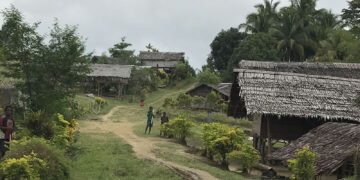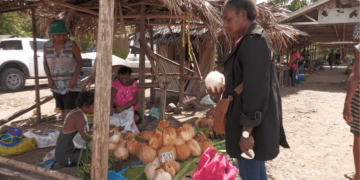
IFPRI-PNG has released its April 2026 quarterly newsletter, featuring new findings from the Papua New Guinea Low Skill Urban Wage Survey, offering regionally and gender-disaggregated insights on earnings, payment preferences, purchasing power, and food affordability. The issue also includes a working paper assessing the economic impacts of the 2025 U.S. tariffs on PNG’s trade, GDP, […]
PNG-AFNP Quarterly Newsletter January 2026
IFPRI-PNG released its January 2026 quarterly newsletter, which features new research on the economywide and regional impacts of public investments and external shocks on agricultural production, income, consumption, and trade. The newsletter also includes a working paper examining the associations between women’s empowerment and child nutrition outcomes across Papua New Guinea, Timor-Leste, and Sri Lanka. […]
Adanced CGE modelling workshop with PNG’s Department of National Planning and Monitoring and Department of Treasury
The International Food Policy Research Institute conducted a weeklong capacity strengthening event at its headquarters in Washinton D.C, from June 28th to August 6th, 2025. The workshop was attended by policy analysts from Papua New Guinea’s Department of National Planning and Monitoring and the Department of Treasury. The session focused on refining macroeconomic models and […]
Survey: Rural Papua New Guinea faces an array of food security challenges
Starch-heavy diets, the reach of extension instruction, and other issues.
Pathway to Brewing Success: Engaging with Coffee Growers to Understand Production Challenges in Papua New Guinea’s Highlands
Coffee is one of the most important smallholder cash crops in Papua New Guinea (PNG). Despite coffee’s economic importance, growers face production challenges and, on average, still struggle to meet household needs.